
What to Expect with Mini Dachshund Puppies
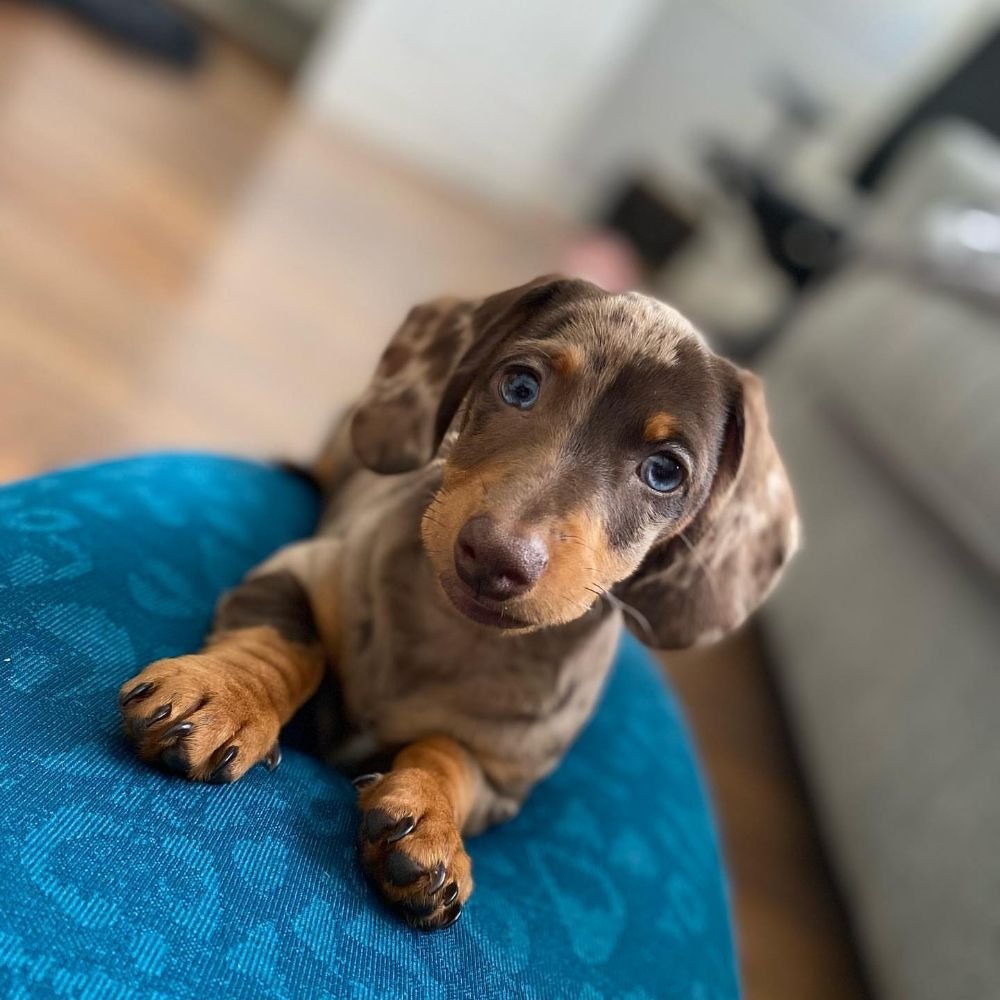
Bringing home a Mini Dachshund puppy is an exciting adventure. These tiny, long-bodied dogs are incredibly cute, but they come with specific needs and characteristics that every potential owner should understand. Before you fall completely in love with those big eyes and floppy ears, here’s what you can expect.
Temperament and Personality
Mini Dachshund puppies are curious, playful, and full of energy. They approach the world with boldness that belies their small size. From the moment they open their eyes, they’re eager to explore and investigate.
The Dachshund Attitude
Dachshunds have a reputation for being stubborn. This isn’t a flaw—it’s a breed characteristic that served their ancestors well when hunting. Understanding this trait helps owners approach training with patience and consistency.
Mini Dachshunds are also known for being vocal. They bark at strangers, unusual sounds, and anything that catches their attention. Early training can help manage excessive barking, but some level of alertness is inherent to the breed.
Loyalty and Attachment
Mini Dachshunds form strong bonds with their owners. They want to be involved in everything you do and can become anxious when left alone for extended periods. This loyalty makes them wonderful companions but also means they need owners who can spend quality time with them.
Training Challenges and Solutions
Training a Mini Dachshund requires patience and creativity. Their intelligence means they can learn quickly, but their stubbornness means they may choose not to comply.
Positive Reinforcement Works Best
Mini Dachshunds respond well to positive reinforcement. Treats, praise, and play are powerful motivators. Harsh corrections can damage the trust between you and your dog.
Start Early
Begin training as soon as you bring your puppy home. Early socialization and basic obedience set the foundation for a well-behaved adult dog.
Keep Sessions Short
Mini Dachshund puppies have short attention spans. Keep training sessions brief—five to ten minutes—and end on a positive note.
Exercise Requirements
Despite their short legs, Mini Dachshunds need regular exercise. Daily walks help maintain their physical health and prevent obesity, which can worsen spinal issues.
Safe Exercise
Because of their elongated spines, Mini Dachshunds should avoid activities that involve jumping or twisting. Stairs can also be problematic, especially for young puppies whose bones are still developing.
Mental Stimulation
Physical exercise is only part of the equation. Mini Dachshunds need mental stimulation to stay happy and prevent destructive behaviors. Puzzle toys, training games, and interactive play provide excellent mental exercise.
Grooming Needs
Grooming requirements vary depending on your Mini Dachshund’s coat type.
Smooth Coat
Smooth-coated Mini Dachshunds are the easiest to groom. A weekly brushing and occasional bath keep their coats shiny and healthy.
Longhaired Coat
Longhaired Mini Dachshunds need more frequent brushing—two to three times per week—to prevent tangles and mats. Professional grooming may be necessary every few months.
Wirehaired Coat
Wirehaired Mini Dachshunds need weekly brushing and periodic hand-stripping or clipping to maintain their coat texture.
All Coat Types Need
Regardless of coat type, all Mini Dachshunds need regular nail trims, ear cleaning, and dental care. Dental health is particularly important for this breed.
Health Considerations
Mini Dachshund owners should be aware of breed-specific health issues.
Intervertebral Disc Disease (IVDD)
IVDD is the most significant health concern for Dachshunds. Their long spines put extra stress on the discs between vertebrae, which can lead to herniation and nerve damage.
Symptoms of IVDD include:
- Back pain
- Reluctance to move
- Loss of coordination
- In severe cases, paralysis
Prevention strategies include:
- Maintaining a healthy weight
- Avoiding jumping and stairs
- Using ramps or steps for furniture
- Supporting the spine when lifting
Other Health Issues
Mini Dachshunds may also be prone to:
- Dental problems
- Patellar luxation
- Obesity
- Certain eye conditions
Regular veterinary care and pet insurance are strongly recommended.
Feeding Your Mini Dachshund Puppy
Proper nutrition is crucial for Mini Dachshund puppies. They need high-quality puppy food formulated for small breeds.
Portion Control
Mini Dachshunds are prone to obesity. Measure portions carefully and avoid free-feeding. Your veterinarian can help you determine the right amount for your puppy.
Feeding Schedule
Puppies need to eat several small meals throughout the day. As they mature, you can reduce to two meals daily.
Socialization
Early socialization is essential for Mini Dachshund puppies. Exposure to different people, places, sounds, and experiences helps them become well-adjusted adults.
Socialization Checklist
- Meeting diverse people (ages, appearances, voices)
- Experiencing different environments
- Hearing various sounds
- Meeting friendly, vaccinated dogs
- Handling exercises (touching paws, ears, mouth)
Preparing Your Home
Before bringing your Mini Dachshund puppy home, prepare your space.
Puppy-Proofing
- Secure loose wires and cords
- Remove toxic plants
- Store cleaning supplies out of reach
- Block access to stairs until your puppy is older
Essential Supplies
- Crate or puppy pen
- Bed and blankets
- Food and water bowls
- Leash and harness (not collar for walks)
- Toys (appropriate size for small breed)
- Puppy food
- Grooming tools
- Training treats
The First Few Weeks
Your Mini Dachshund puppy’s first weeks at home are crucial for bonding and establishing routines.
Nighttime Crying
Expect some crying at night initially. Your puppy is adjusting to being away from littermates. A crate near your bed can help.
Potty Training
Potty training takes time and consistency. Take your puppy out frequently, praise successful elimination, and clean accidents thoroughly.
Bonding
Spend plenty of time with your puppy. Gentle handling, play, and cuddling build trust and strengthen your bond.
Is a Mini Dachshund Puppy Right for You?
Mini Dachshund puppies are wonderful companions for owners who understand and accept their breed characteristics. They’re loyal, entertaining, and loving—but they’re also stubborn, vocal, and require commitment to their health needs.
If you’re ready for the adventure of raising a Mini Dachshund puppy, you’ll be rewarded with years of love and companionship from one of the most charming small breeds available.
Tags
What do you think?
Related Articles

Where to Get a Mini Dachshund
Where to get a mini Dachshund? You have several options: Reputable Breeders Contact the Mini Dachsund Puppies. Rescue Organizations Search for Dachshund-specific rescues in your
Where to Find Mini Dachshund Puppies Near Me
Searching for Mini Dachshund puppies near me can feel overwhelming. With so many options—breeders, rescues, pet stores—how do you know where to look and who

The Complete Cost of Mini Dachshund Puppies
Bringing home a Mini Dachshund puppy is exciting, but it’s also a significant financial commitment. Understanding the full cost of ownership helps you prepare properly